Most Museums in Nigeria are located in the heart of urban area making it more challenging for schools in rural communities to access the Museum. Available statistics shows that majority of Museum visitors in Nigeria are school children. According to the former Director Educational Services and Training National Commission for Museums and Monuments, (Ezeokeke, 2018) “children visits to the Museum make up about 75% of the museum’s regular visitors and of this lot, school visits rank the highest”.
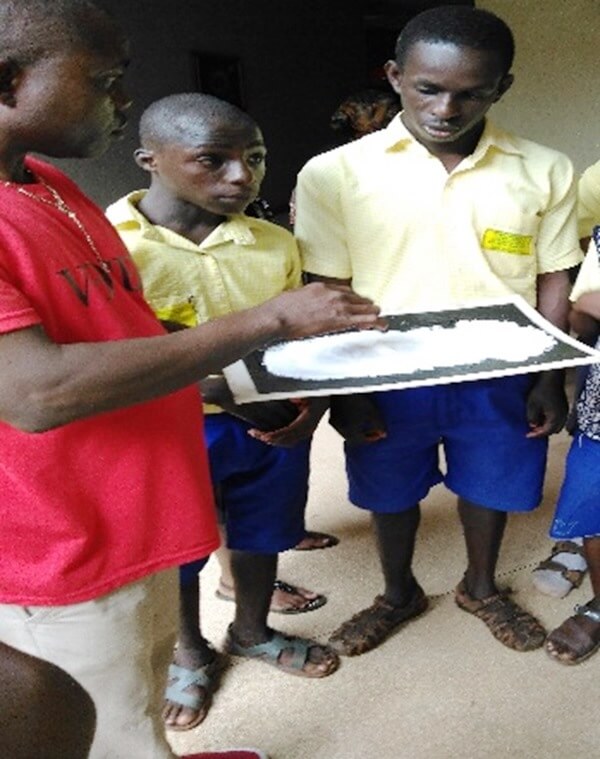
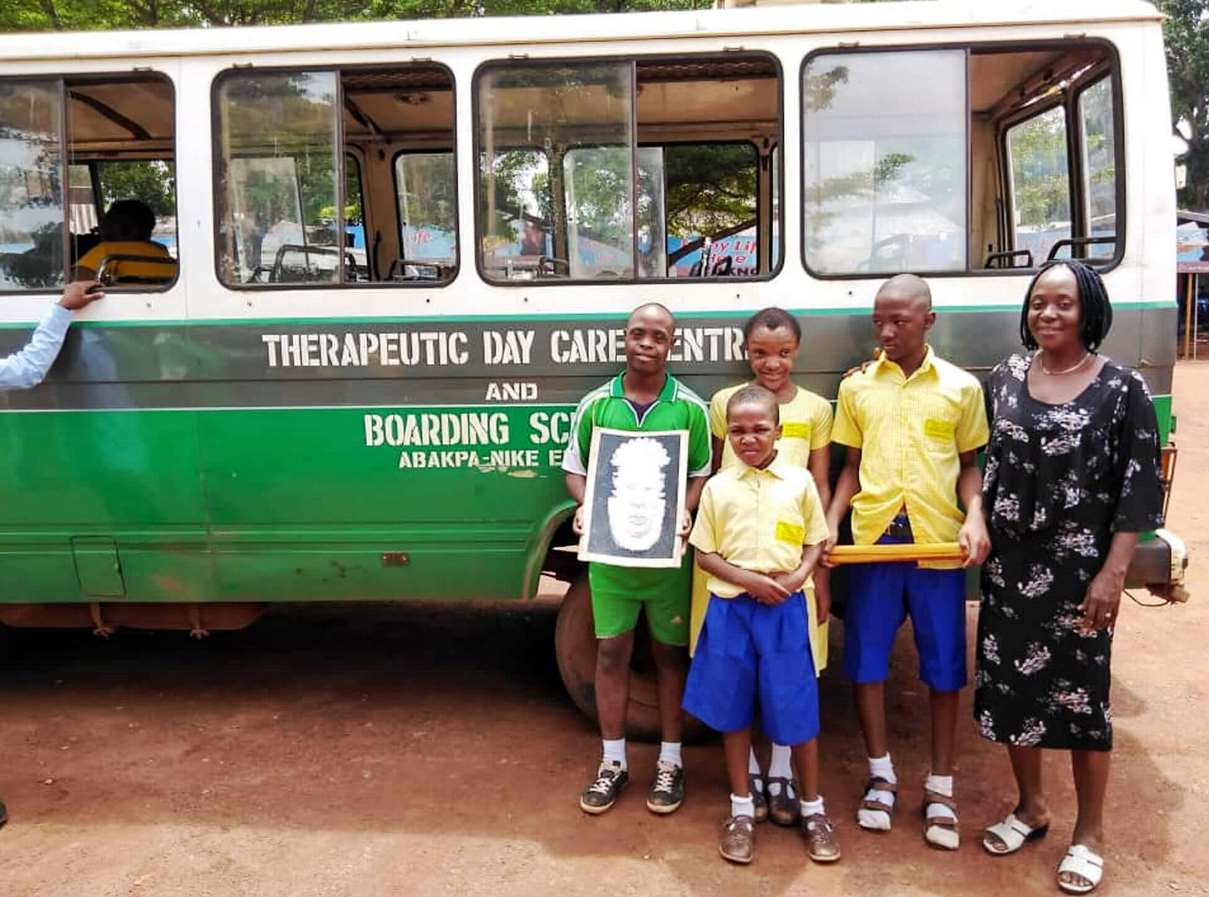
As Head of Education Department of National Museum of Unity Enugu, I know that more than 98% of school visits are from private schools. In Nigeria, public schools are dominated by children of the poor while the middle class families attend private schools. The situation inadvertently presents the Museum as an institution of the elite. The situation is compounded with the fact that people with disabilities have difficulties experiencing the museum fully in Nigeria
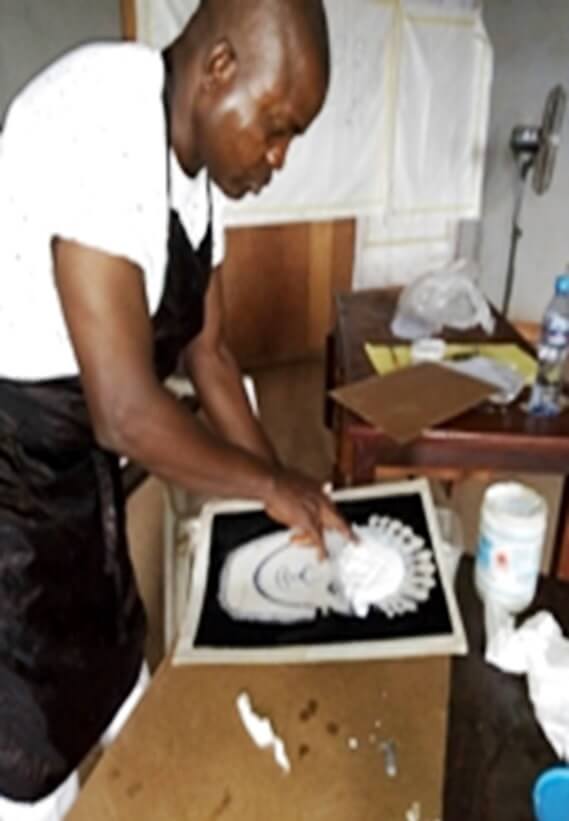
Photo credit; Education Department, National Museum of Unity, Enugu
United Nations Sustainable Development Goal (specifically Goal number 10), seeks to “empower and promote the social, and political inclusion of all, irrespective of age, sex, disability, race, ethnicity, origin, and religion, economic or other status”. International Council of Museums (ICOM) code of ethics (2006) forbids exclusion or stigmatization of persons or groups from museum services and programs on account of race, religion, physical disabilities or social status.
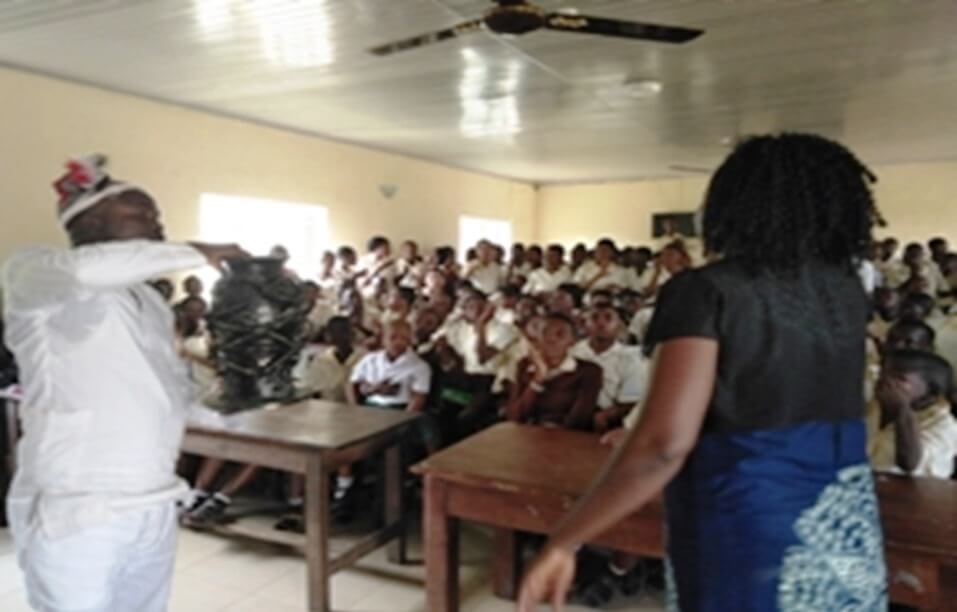
Photo credit; Enugu state Special school for the Deaf, Coal Camp, Enugu
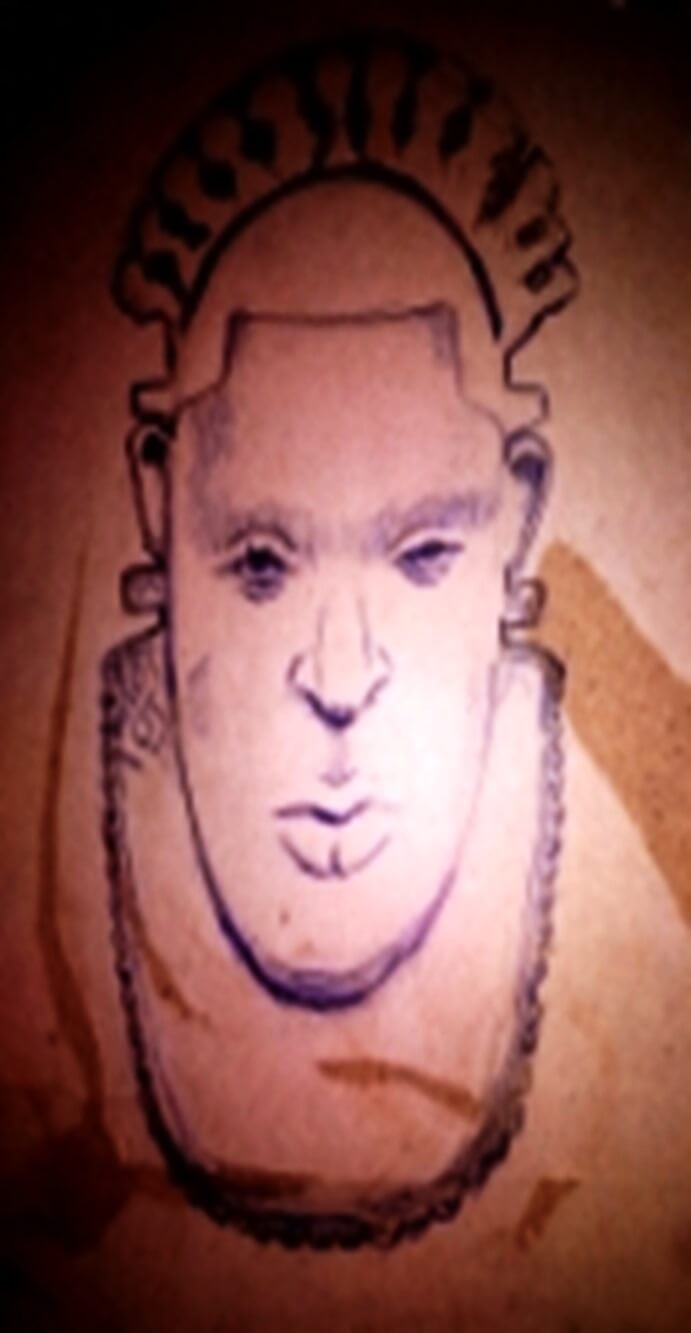
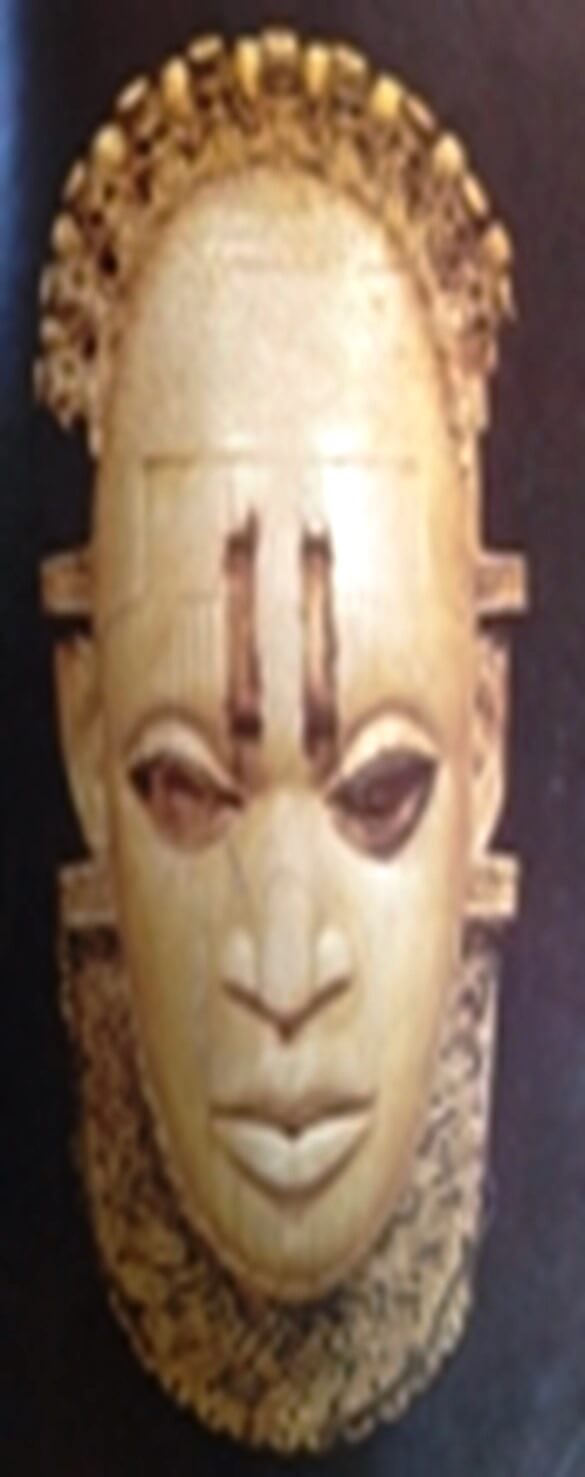
The immediate solution adopted by the Education Department for those that cannot visit the museum is to take the museum to them. In view of this principle of “Leaving no one behind”, Artists within the Education Department started producing replicas of some Museum objects for visually impaired children and those with autism. This was done without flouting ICOM guideline on production of Museum replicas.
This effort soon became useful to others with various forms of disabilities. Art for intercultural Dialogue shares the views of Dr Carol Ifejiagwa that, there is need to “achieve an all-inclusive Museum where people who have been under represented, excluded or marginalized can be mainstreamed into the Museum programe”