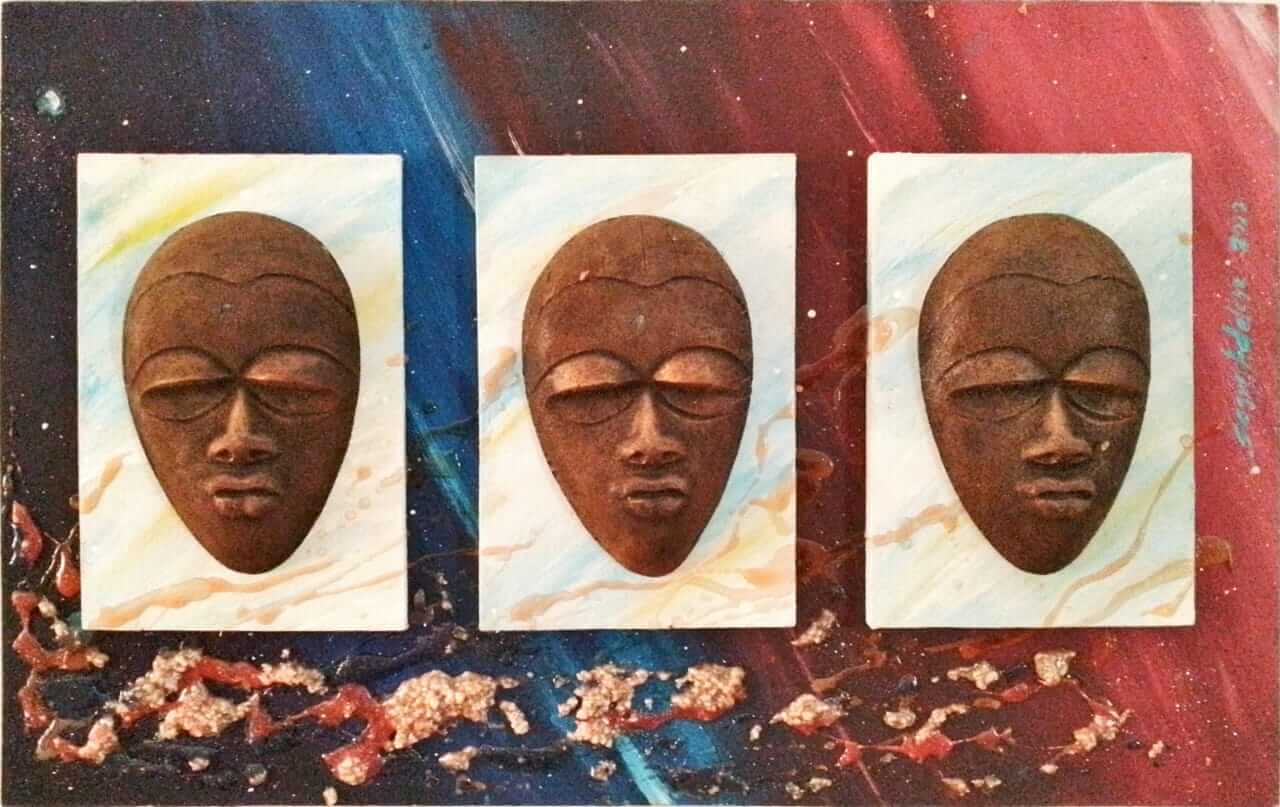
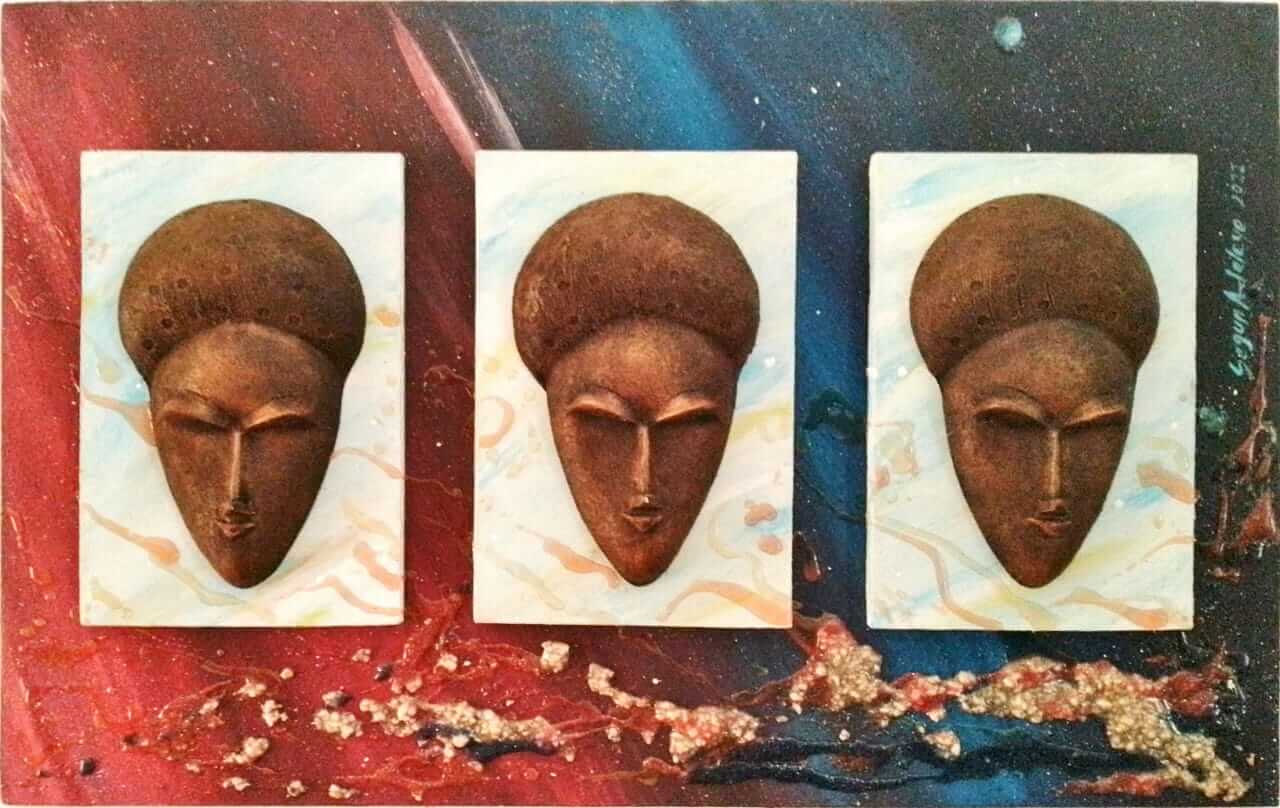
May 18, 2023 saw the unveiling of Unity Code Art Exhibition at National Museum of Unity, Enugu; an exhibition that saw the convergence of 24 museum Artists from different stations, ethnic and religious groups in Nigeria under the aegis of National Museum Resident Artists (NMRA) with the sole purpose of using Art to promote unity and understanding among Nigerians. The event, coming shortly after the 2023 general election in Nigeria where some politicians deployed divisive tactics to win votes, saw 24 ordinary people use extra ordinary artistic expressions to enhance national integration. Understandably not every moment that shaped history gets the deserved credit, but this indelible moment went by largely unnoticed. This paper seek to highlight some of the strategies adopted and ideas behind this ongoing exhibition.
Introduction
Museum in Nigeria has a long history of deploying art as a tool to promote understanding and peaceful coexistence. The traveling Art Exhibition tagged, “Two thousand years of Nigerian art” which started from April 27th to June 26th 1982 readily comes to mind. The exhibition started from San Francisco to California and moved to 17 other countries of the world. That effort, to a large extent dispelled the Hamitic hypothesis which was popular in the Western world at the time. Hamitic hypothesis projected the idea that anything of value that came to Africa, came through colonialism.
Secondly, the public display (in Unity Museums) of Art works produced by Artists of the past from different ethnic groups, in Nigeria juxtaposed to highlight relationships and similarities among Nigerians before the advent of Europeans and the Arabs are few examples. In line with the above, 24 Museum Artists from different ethnic/religious background decided to come together immediately after the 2023 general elections in Nigeria to similarly use Art to enhance national unity. This is to dispel seeds of discord generated by politicians during the campaign.
Participating Artists
S/NO.
Name
Gender
Geo-Political Zone
State
1
Mairo Meliga
Female
North-East
Borno
2
Iniobong John Udo
Male
South-South
Akwa-Ibom
3
Queen Dasaba
Female
North-West
Kaduna
4
Yinka Olajubu
Male
FCT
FCT
5
Echem Ogbonnaya
Male
South-East
Ebonyi
6
Abdurrashid Ahmad
Male
North-West
Jigawa
7
Oshoike Johnson
Male
South-South
Edo
8
Chamberlain Amadi Nwosu
Male
South-East
Imo
9
Aderounmu Akanbi
Male
South-West
Oyo
10
Salawu Adeiza
Male
North-Central
Kogi
11
Eziokwu, Robinson
Male
South-East
Enugu
12
Obi Joseph
Male
FCT
FCT
13
Otikpa, Cordelia
Female
South-East
Anambra
14
Oyinloye Babatunde
Male
North-Central
Kwara
15
Zeniath Oruamen
Female
South-South
Edo
16
Ugorji Ikechukwu
Male
South-South
Enugu
17
Uche Idika Kalu
Male
South-South
Delta
18
Ishola Chinedu Ozueigbo
Male
South-East
Abia
19
Adeleye Olusegun
Male
South-West
Ogun
20
Chigor Obi
Female
South-East
Anambra
21
Ogungbile Oyetunde
Male
South-West
Oyo
22
Mohammed Dau Isa
Male
North-West
Kano
23
Okananwa N. C
Female
North-Central
Plateau
24
Tochukwu Ike
Male
South-East
Enugu
Conscious effort was made to follow the United Nations and the national Gender Policy which formulated a 35% affirmative action on gender inclusion.
SOME STRATEGY ADOPTED BY NMRT (Clothing as Symbol of Unity)
NMRA played on the idea that dressing in Nigeria functions as a silent communication system that connects people. Knowing that Nigeria is made up of more than 250 ethnic groups and each group can easily be identified through their language, facial marks, the way they dress etc. According to (Ike, 2023) clothing tells a lot about a person’s background and identity. Clothing is an important aspect of our culture. The way we dress reflects not just the way we see ourselves but the way others see us.
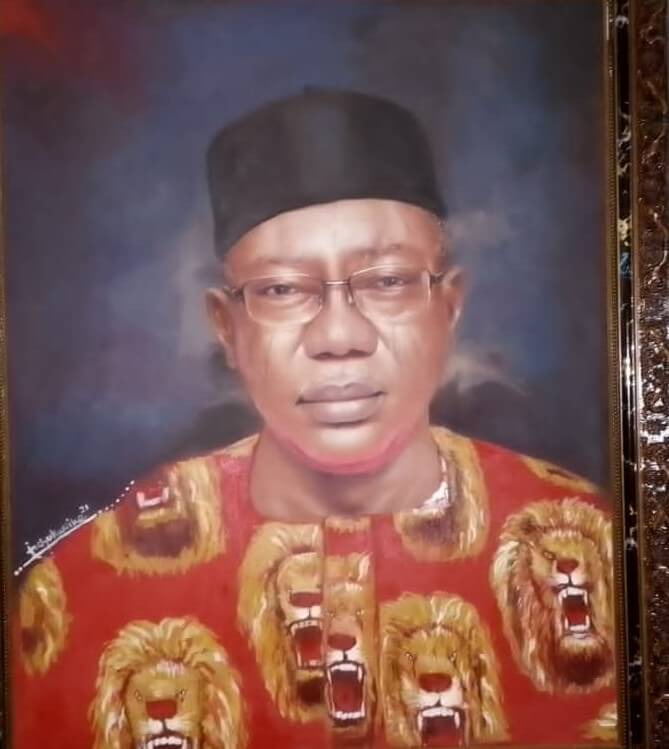
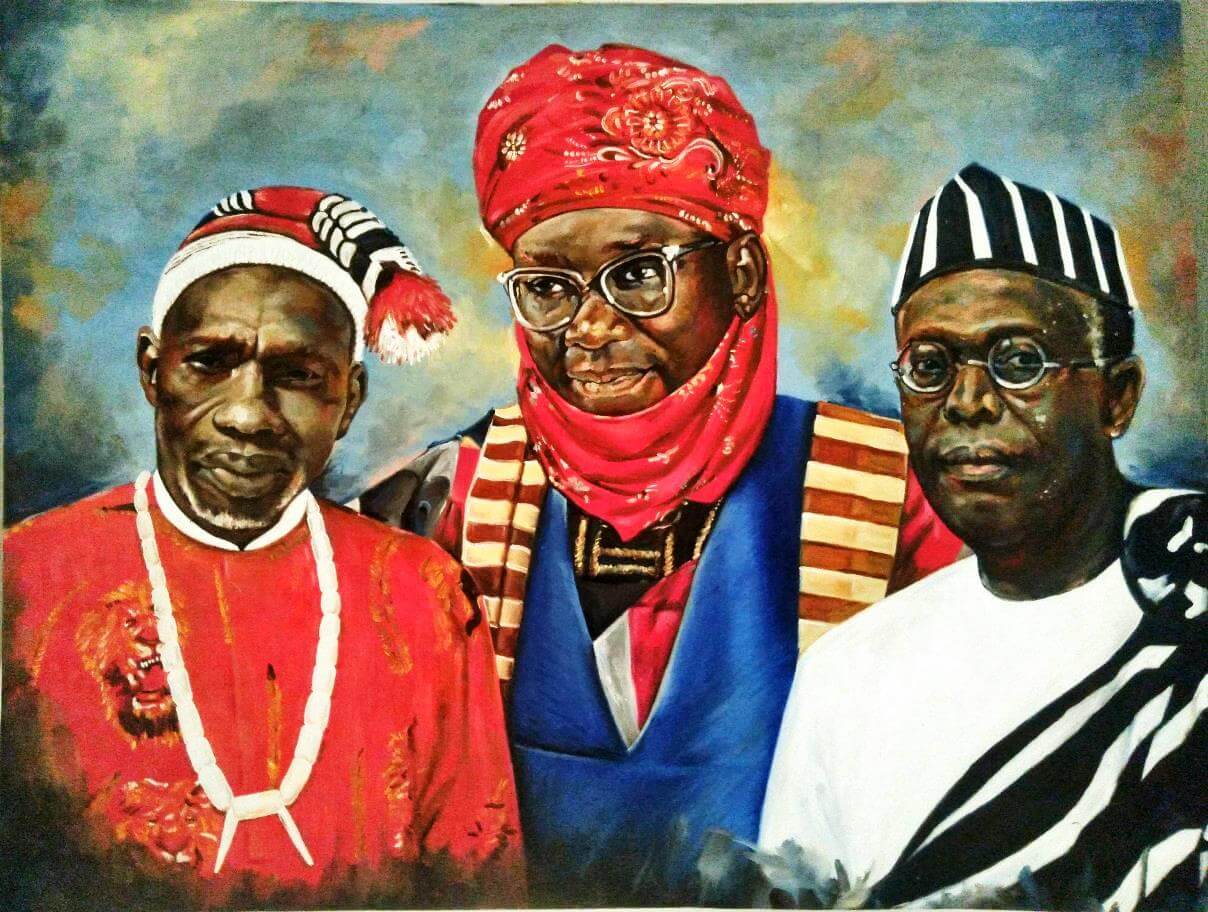
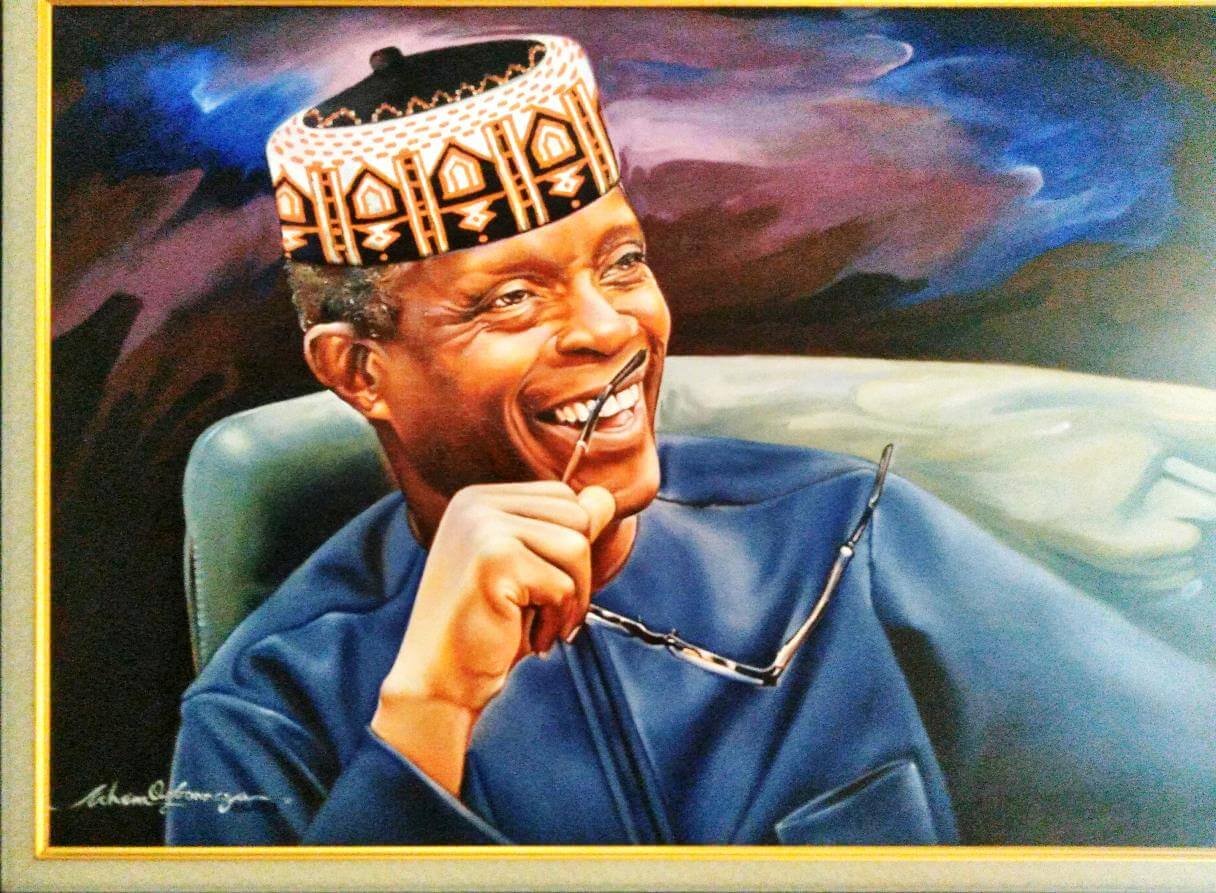
Story was told of a Ghanaian who travelled to New York for a conference and in a crowed hall he noticed a stranger dressed in kente attire. Impulsively he felt a sense of brotherhood towards the stranger. Social psychologists believe that we inadvertently feel a sense of oneness with anyone who dress aligns with our culture. Subconsciously we see that person as one of our own. NMRA made portraits of prominent Nigerians dressed in costumes of other ethnic groups other than theirs.
Concept of Juxtaposition in Art
A first time visitor to any Unity Museum in Nigeria will noticed that objects from different ethnic groups are juxtaposed. A close observation of objects so juxtaposed, often reveals how interconnected we all are. In visual Arts, “juxtaposition is used to highlight the relationship between two or more elements. The final composition helps the audience to see the composition as one thing instead of two separate entities, thereby influencing the perception and opinion of the audience” (Ike, 2023). Similarly, NMRA deployed this same strategy in Unity Code Art exhibition in effort to promote national unity.
Conclusion
At a time like this when politicians fire the ember of disunity, Museum as an institution should counter this by promoting peace and unity through Art. It is recommended that this effort by NMRA should be replicated in all the museums nationwide.