Available statistics shows that majority of Museum visitors in Nigeria are school children and foreign tourists. According to the former Director Educational Services and Training National Commission for Museums and Monuments, (Ezeokeke, 2018) “children visits to the Museum make up about 75% of the museum’s regular visitors and of this lot, school visits rank the highest”. Consequently, in a bid to attract adult Nigerians, most National Museums in Nigeria establish centers within the Museum that serve indigenous food and wine.
This new development came at a cost, because “as patronage for such centers continuous to relentlessly grow, there was also a corresponding growth in waste generated by this category of Museum users” (Beautiful Waste, 2018). One major lesson after the United Nations Conference on environment in 1992 in Rio de Janeiro Brazil themed the “Earth Summit” was that development sometimes comes at a cost and can create tension/conflict between environmental needs of man and nature. Development can create tension between the needs of the poor and that of the rich.
What we term development can also create conflict between, for instance Museum professionals who want to conserve heritage resources and hungry members of the society who want to exploit them. By extension it can create conflict between the developmental needs of this generation and those of the future generation. The 1987 World Conference on Environment defined Sustainable Development as “Development that meets the needs of the present without compromising the ability of future generations to meet their own need”.
The 2002 World Summit on Sustainable Development held in Johannesburg, South Africa raised public awareness on the danger posed by high proliferation of plastics and other non-biodegradable waste materials. The summit set a target tagged “Transforming Our World; 2030 Agenda for Sustainable Development”. Precisely in Article 12.5, they expect member states “to by 2030, substantially reduce waste generation through recycling and reuse”.
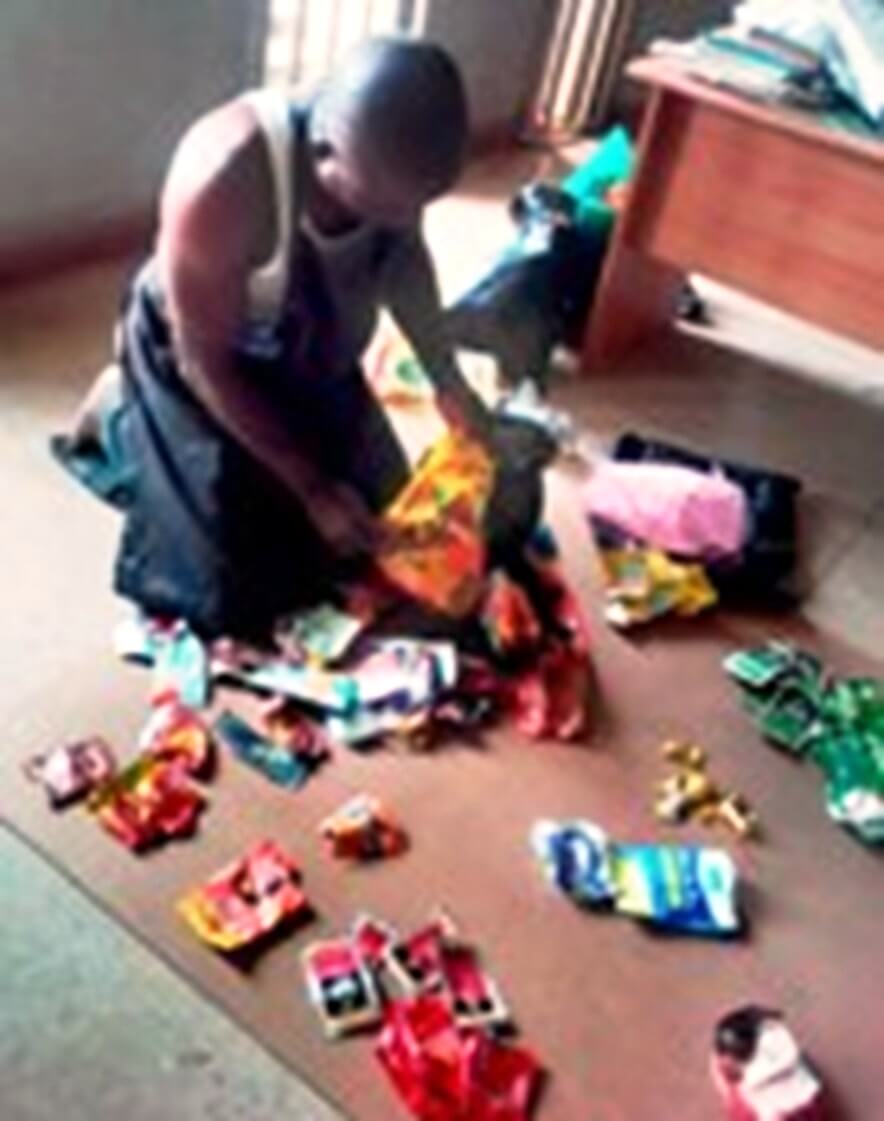
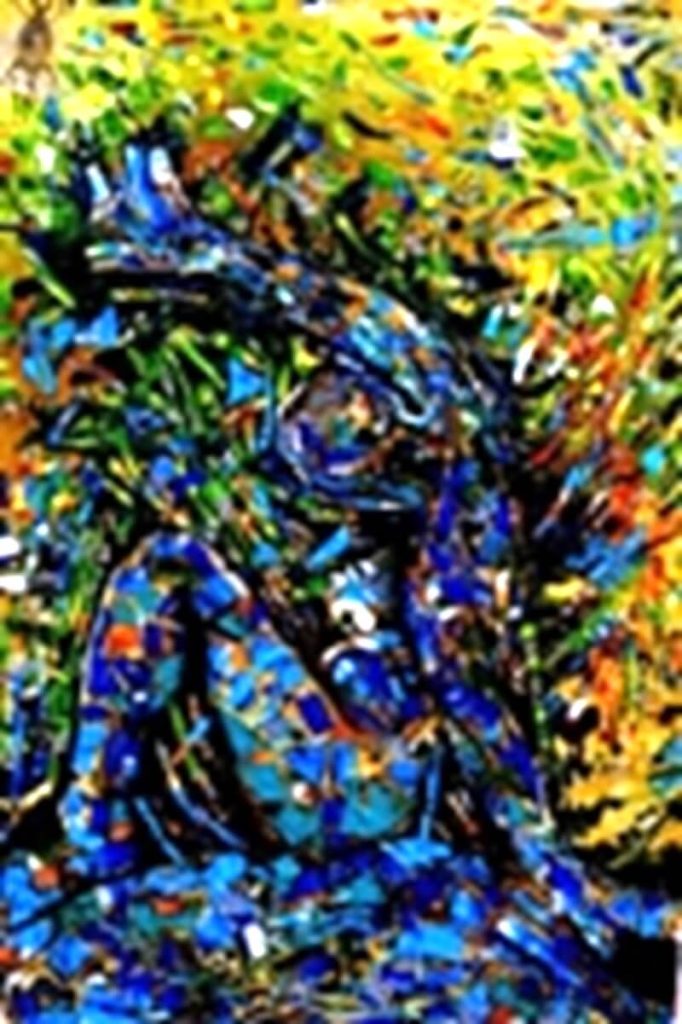
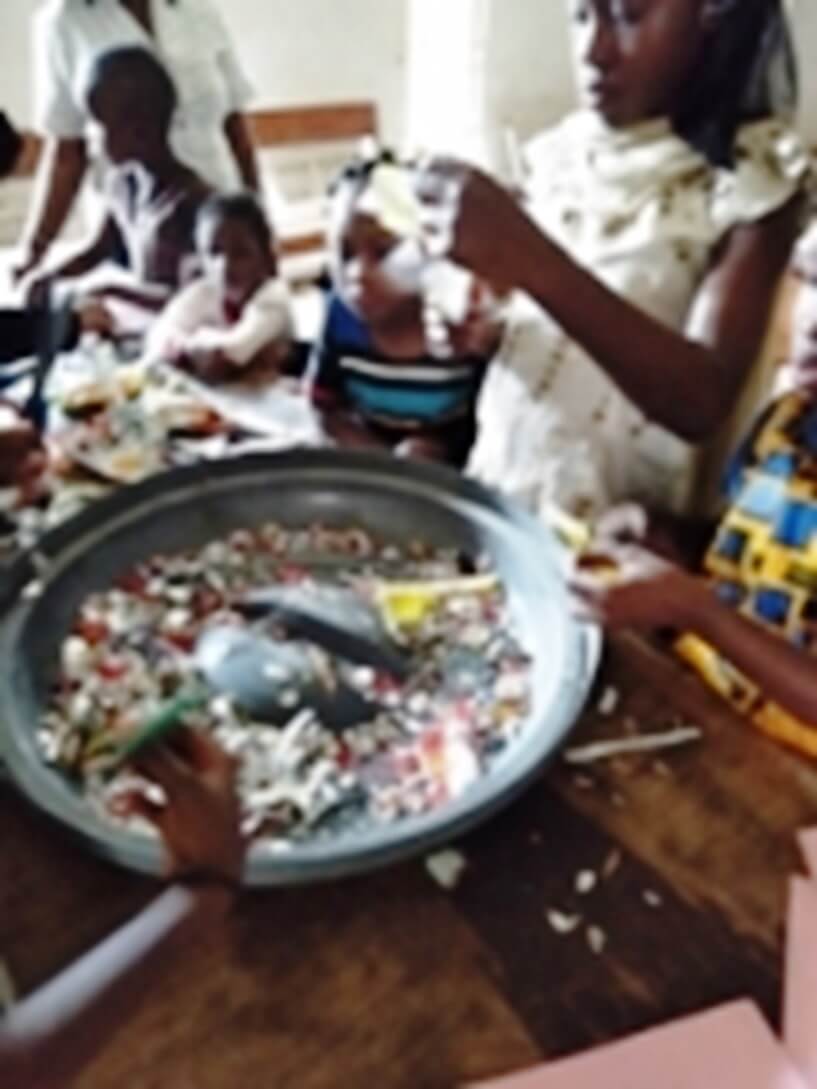
In line with this effort, Artists and Museum Education Officers of National Museum of Unity, Enugu initiated in 2018 a public awareness program of recycling non-biodegradable waste into Art. It started with picking spoons, plates and non-biodegradable waste materials jettisoned by these museum visitors and recycling them into Art.
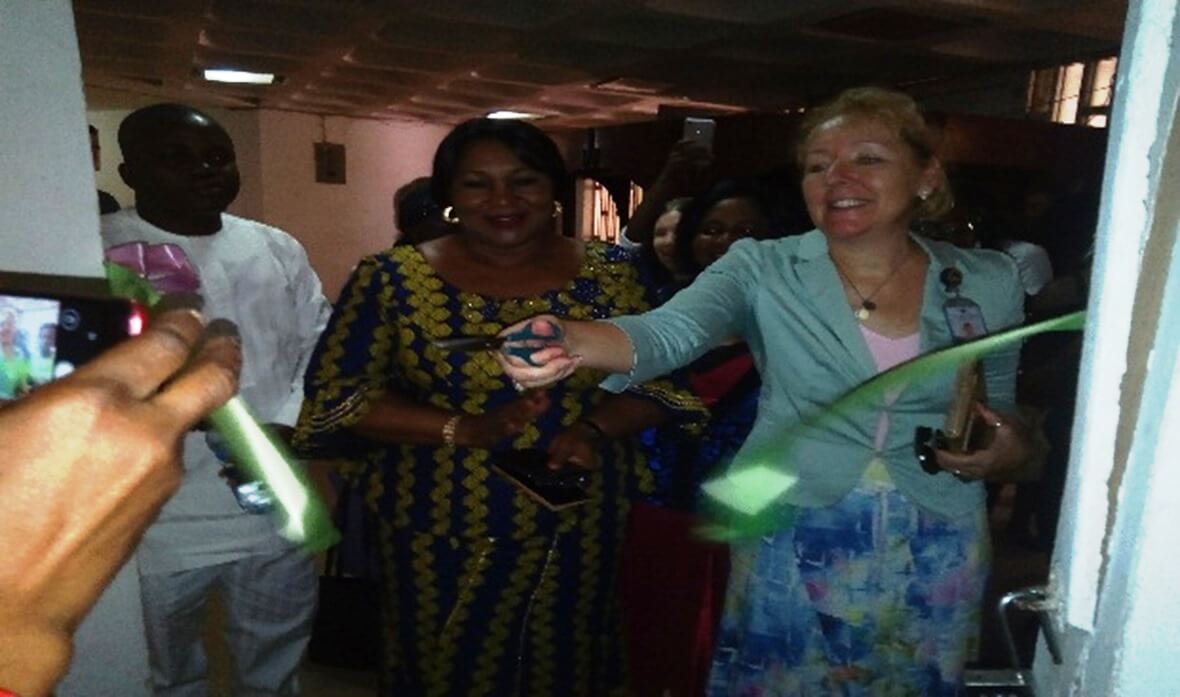
Photo credit, Education Department National Museum of Unity Enugu
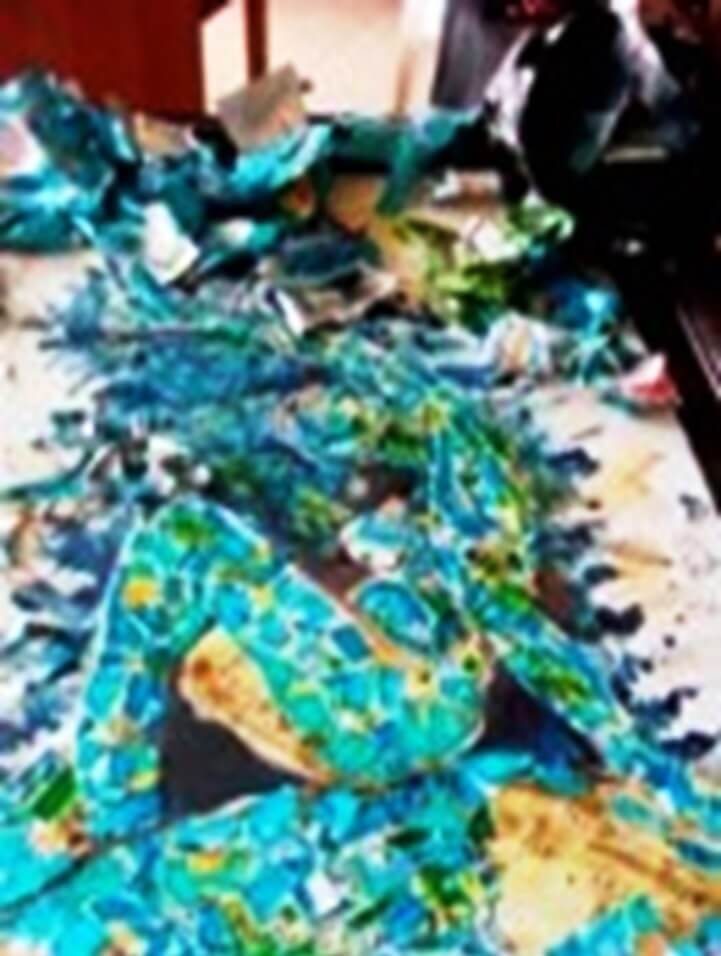
This effort culminated in an Art exhibition themed; Beautiful Waste. Beautiful waste attracted local and international commendation, wide media coverage and a nomination for Sarphati Sanitation award.
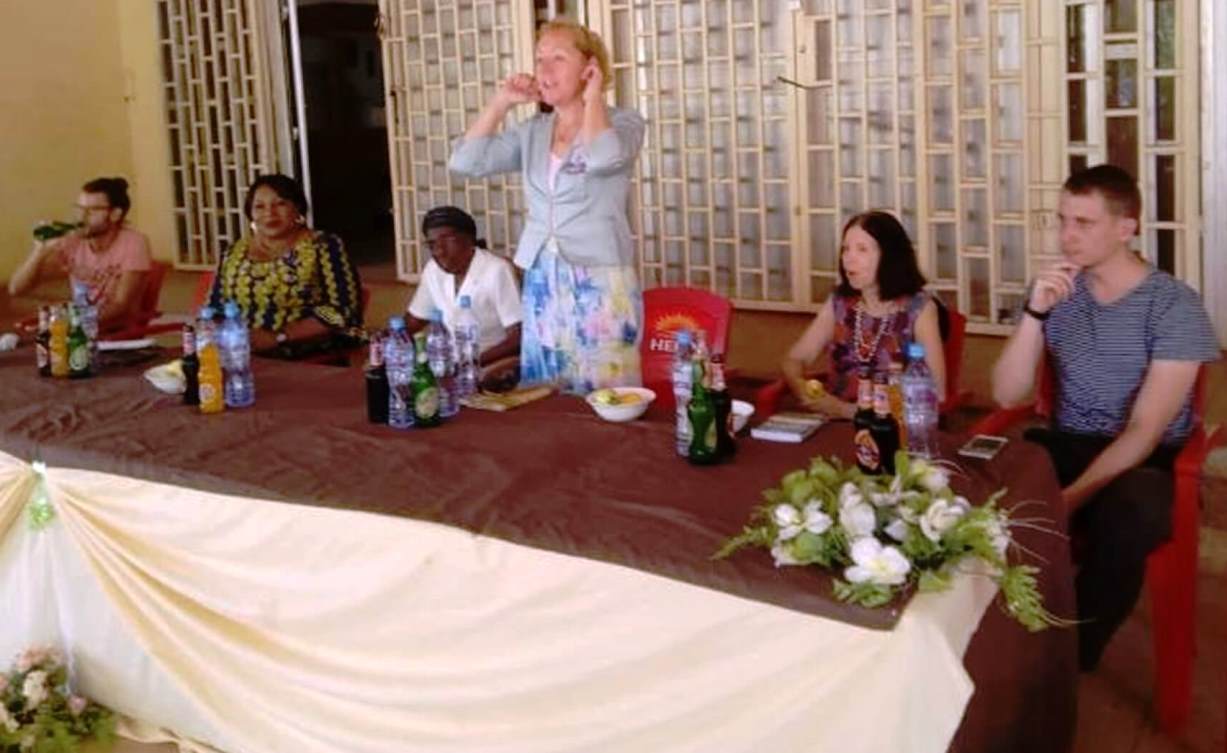
Photo credit Education department, National Museum of Unity, Enugu
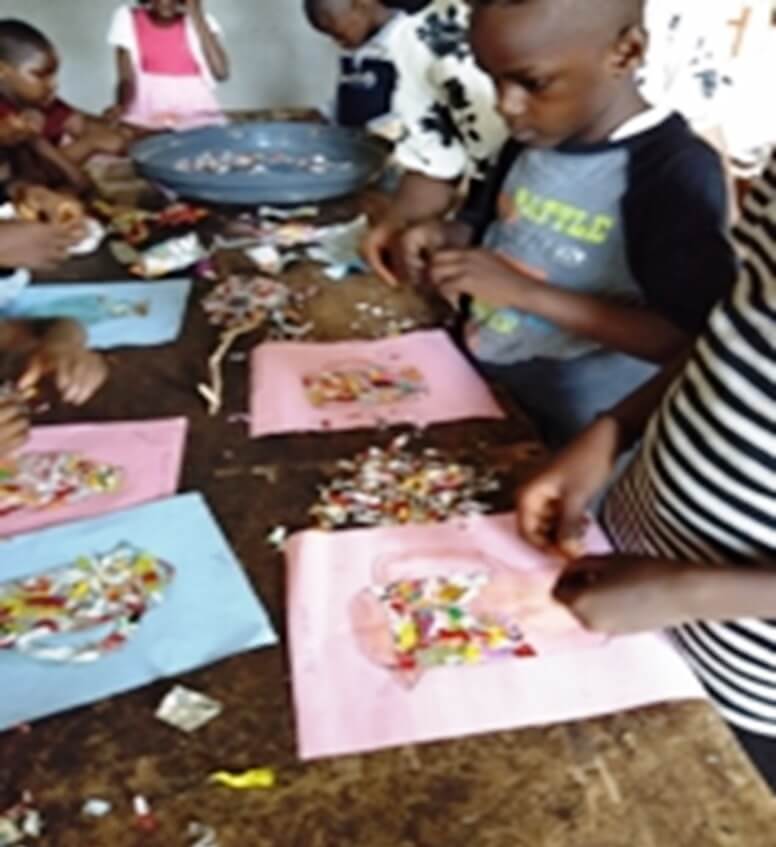
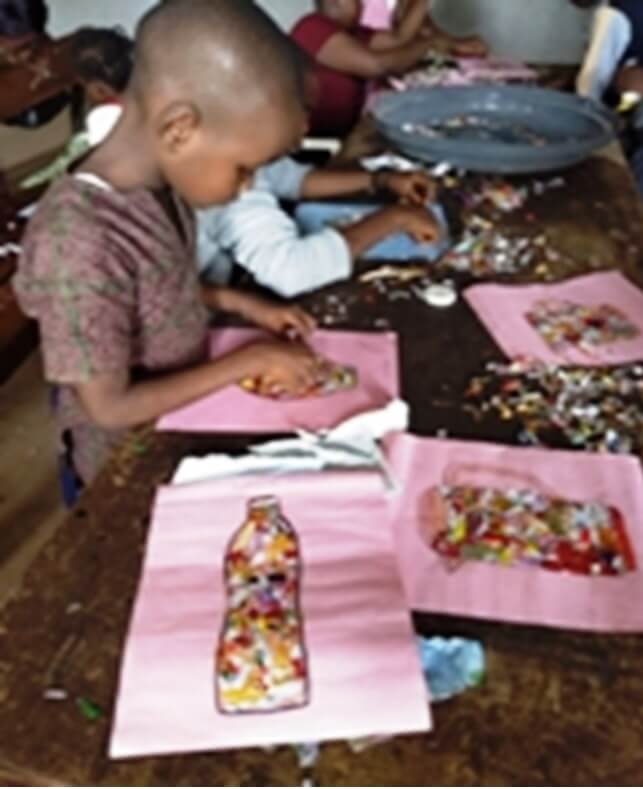
Beautiful Waste created hug awareness and challenged public perception about the way we look at waste. To ensure sustainability, Education officers started grooming children to celebrate the reuse and recycling of waste through Art.
Photo credit, Education department, National Museum of Unity, Enugu
This effort aligns with completely with the United Nations SDGs, specifically Goal numbers three, six, 11, 13 and 15. Art for intercultural Dialogue believes in peaceful coexistence and harmony with the environment.